
B2B Sales · Outbound Sales
How to Coach Sales Calls That Actually Change Behavior
Most sales coaching fails for one simple reason: it tries to fix too much at once. The result is a pile of notes, a long debrief, and zero change on the next call. For B2B Sales Directors and SDRs...
Most sales coaching fails for one simple reason: it tries to fix too much at once. The result is a pile of notes, a long debrief, and zero change on the next call. For B2B Sales Directors and SDRs who need better numbers now, that is not coaching. That is noise.
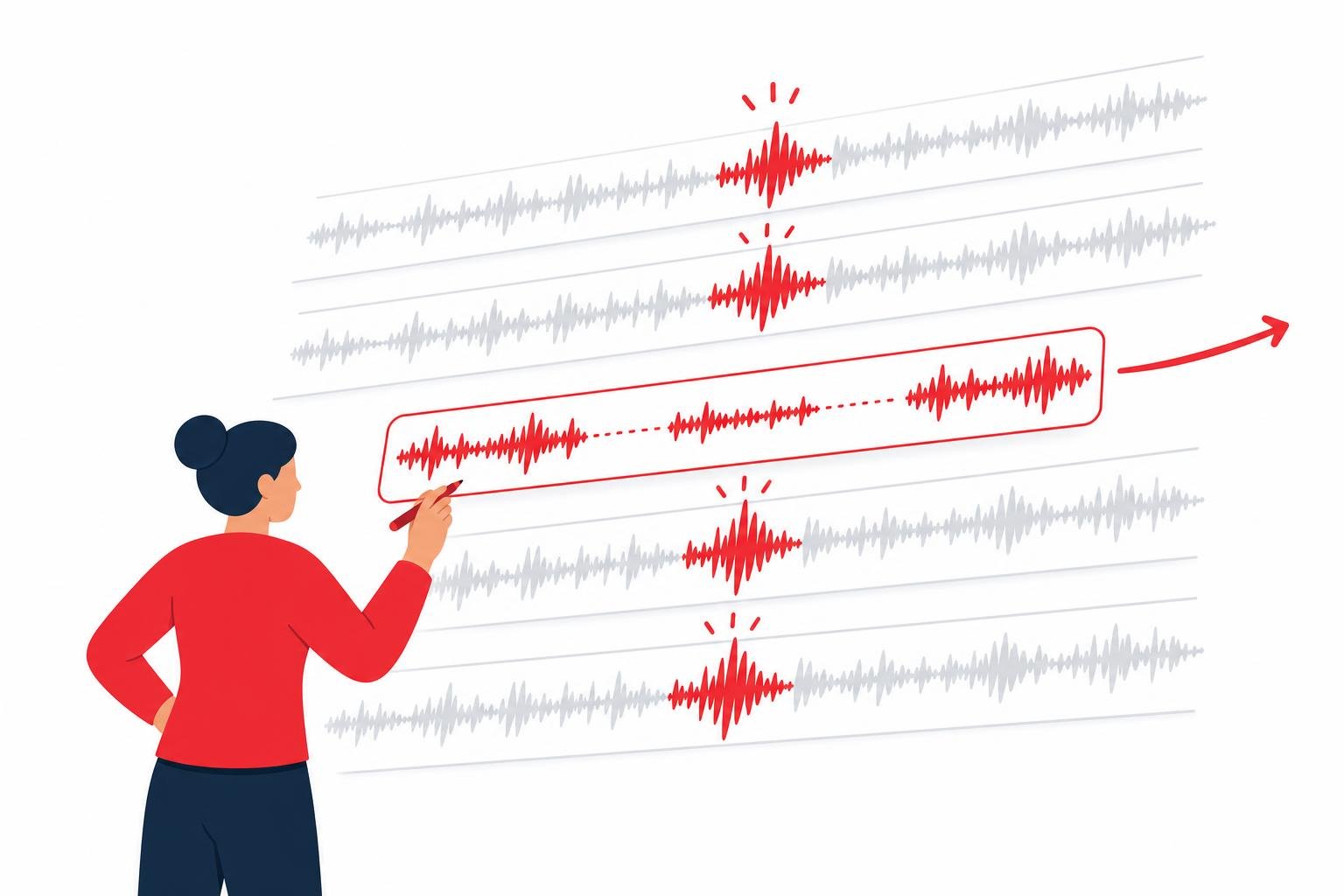
At ColdCoach, we believe a good coaching pass starts when one rep shows the same pattern three times. Not once. Not twice. Three times. That is when the behavior becomes real, and that is when coaching becomes useful.
Coaching should start with a pattern, not a hunch
If we pull five recordings from the same rep, we are not looking for random mistakes. We are looking for a habit. One bad call can happen to anyone. Five calls from the same rep tell a different story.
This is where many teams lose momentum. They jump from call to call, trying to coach everything: the opener, the discovery, the close, the objection handling, the next step. That creates confusion. The rep leaves with too many things to remember, and none of them stick.
Instead, we need to isolate one moment. Opener. Discovery. Next step. One focus is enough. The goal is not to sound smarter in the review. The goal is to change what happens on the next live conversation.
Use the buyer’s cue as the coaching trigger
The strongest coaching moments come from the exact point where the buyer signals resistance, curiosity, or a need for clarity. That is why we should write down the exact words the rep used when the buyer gave a cue.
For example: “We already use a tool for that.”
That line matters because it gives us something concrete to work with. We are not coaching a vague idea like “be more confident” or “push harder.” We are coaching a real exchange that happened on a real call. That is how we keep feedback grounded and actionable.
When we hear the same pattern three times, we know the rep is repeating a habit. Then we can coach the moment that matters most, instead of guessing where the problem starts.
Rewrite one line, not the whole call
Once we identify the moment, we do not rewrite the entire conversation. We rewrite one replacement line. Just one. And we keep it short enough that the rep can say it naturally under pressure.
This is the difference between coaching and theory. Theory sounds good in a meeting. A short replacement line gets used on the next recording.
We are not trying to create a perfect script. We are trying to create a usable one. A rep does not need a lecture. A rep needs a better line for the exact moment where the current approach breaks down.
That is why call coaching should be practical, direct, and repeatable. One pattern. One moment. One replacement line.
Listen for the change on the next call
The final step is the one many teams skip: check the next call and listen for that line in context. Did the rep use it? Did it land? Did it move the conversation forward?
This is where coaching proves itself. Not in the review. Not in the notes. In the next live call.
If we want better quota performance, we need a coaching process that actually changes behavior. That means fewer notes, fewer opinions, and more focus on what can be heard, repeated, and improved. That is how we help reps close the gap between what they know and what they do.
For teams that want a more disciplined approach to call review and rep improvement, ColdCoach is built around that exact idea: find the pattern, coach the moment, and measure the next call. If we stay focused on one change at a time, we give our reps a real shot at better conversations and better results. Learn more at our website.